

Insights
Sharing inspiration, insight and interesting ideas
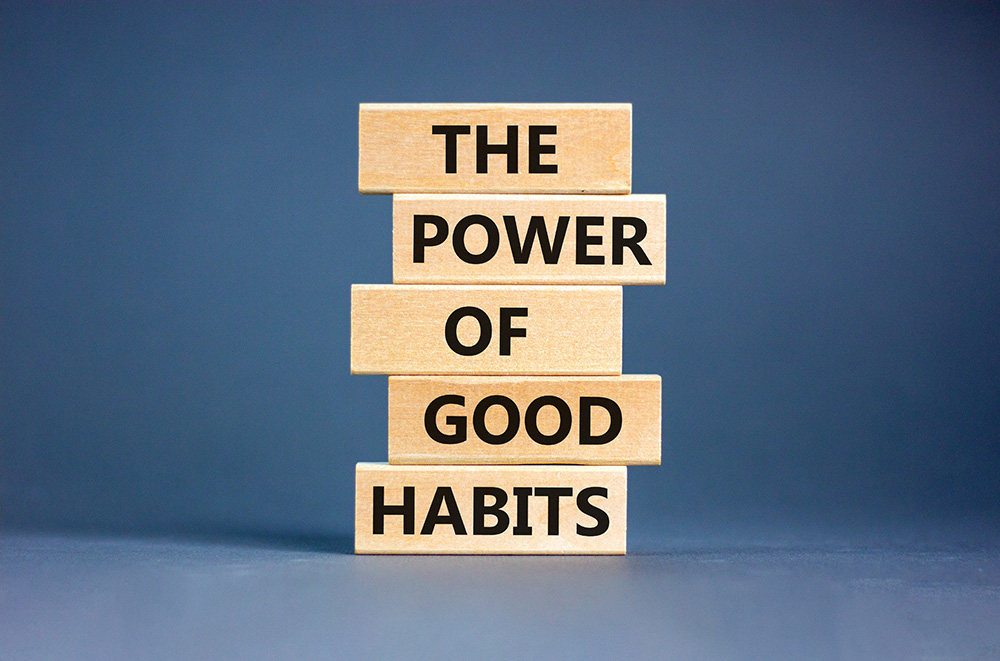
Have you ever set a big goal, only to find yourself stuck in the same old routine? You’re not alone. We all want to improve our lives - be it by eating healthier, learning a new skill, or achieving professional milestones. Yet, despite our best intentions, change often feels elusive.
The good news... Transforming your life doesn’t require a complete overhaul. Instead, it’s about harnessing the power of tiny, consistent actions. Inspired by James Clear's book Atomic Habits, let’s dive into how these small changes can lead to extraordinary results.
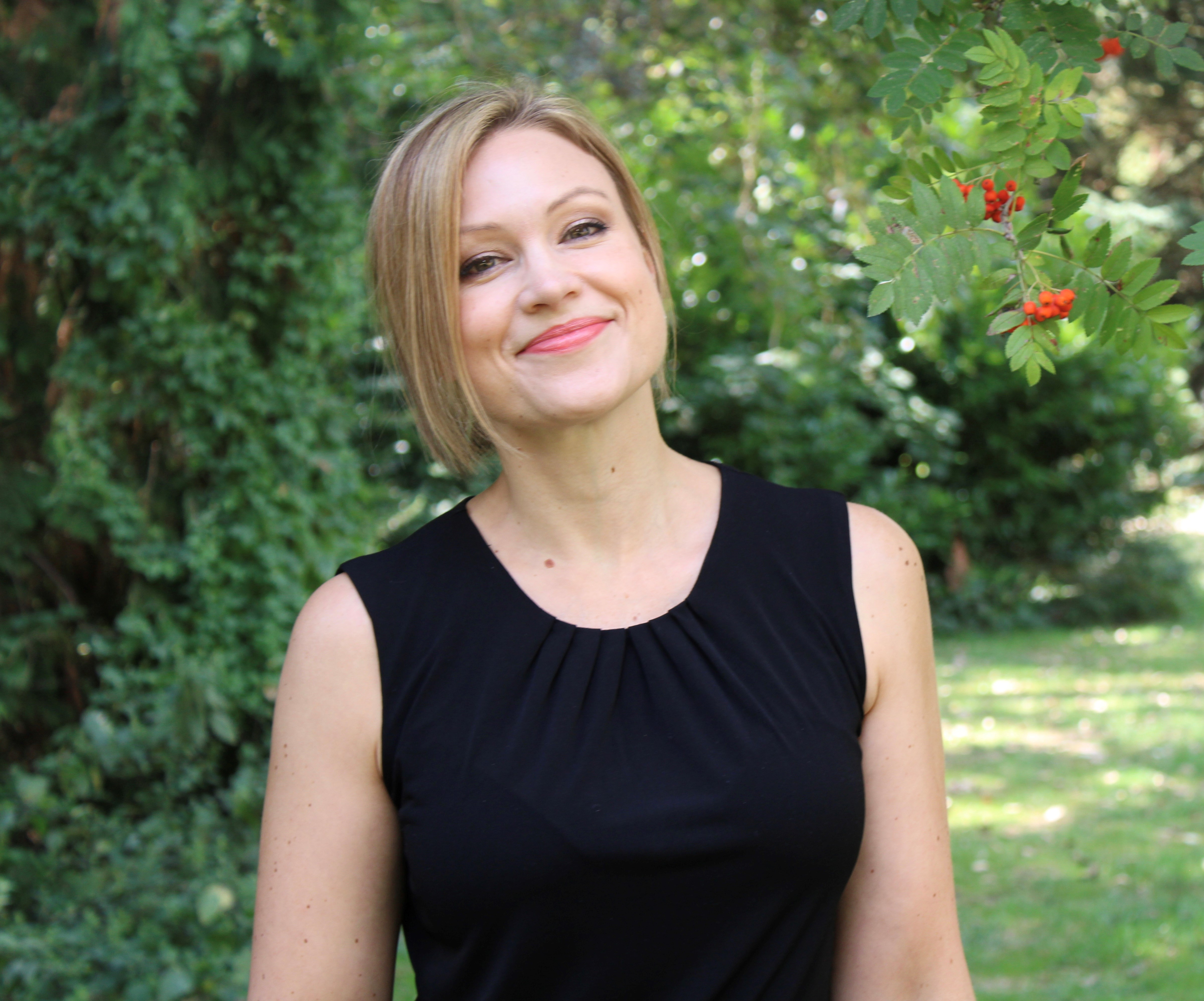
I received generous feedback from someone a while back that my content is great, but I don't share much about myself or my story. Who is Bev? they asked. I have thought a lot about this since, and whilst I recognised they were right, I am a very private person. I decided the time wasn't right, and that I would know intuitively when I was ready. For some strange reason, I opened a Word doc last week and started writing this blog - not about what I do, but WHY I do what I do.

Identifying great people for your organisation and supporting them to express their talents is more critical than ever. It’s also a trendy, sort-after approach, and savvy people are looking to go where they can grow.
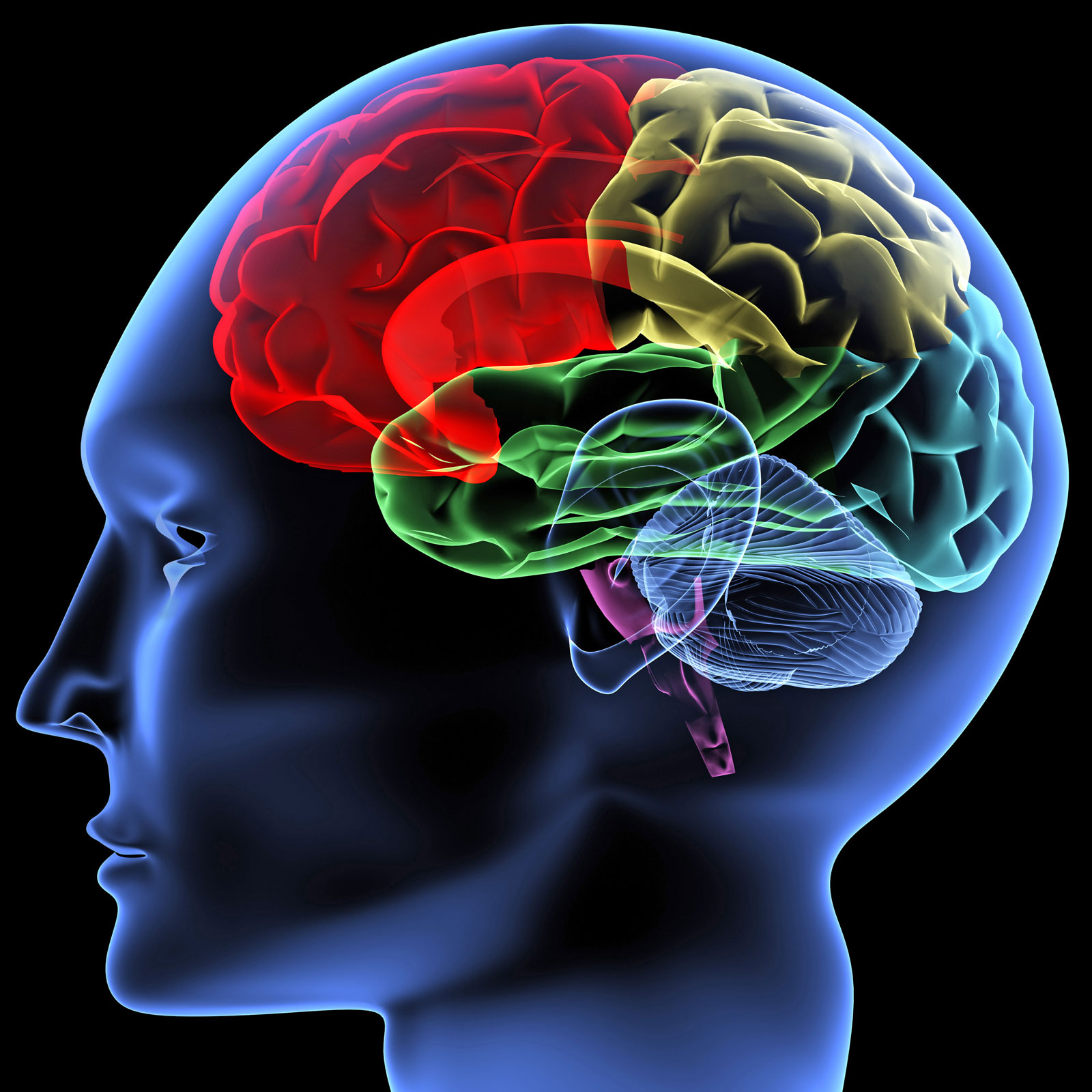
Behavioural Neuroscience Vs Personality Psychology.
Personality psychology has contributed much towards identifying the important dimensions of personality, but relatively little to understanding the biological sources of those dimensions. However, the rapidly expanding field of neuroscience is increasingly shedding light on this topic. Personality neuroscience is the study of how a person’s brain influences that individual's behaviour.

Crossing over the line and investing in yourself is not as easy as it seems. There’s a lot of psychology involved when it comes to investing in yourself; whether that be time, energy, money …
Lots of people have subconscious blocks around being worthy, deserving of investment or creating a life they love. I have clients who have harboured dreams for years but haven’t been able to move into action. They arrive at my door when they’re ready to stop circling the idea and start creating the life they truly desire.

“The benefits of coaching are many; 80% of people who receive coaching report increased self-confidence, and over 70% benefit from improved work performance, relationships, and more effective communication skills. 86% of companies report that they recouped their investment on coaching and more” (International Coach Federation)

I had an interesting conversation with a friend about the value of coaching this weekend, here are the highlights…

I launched Aumida in July 2018 and it's now July 2019.
Despite this having been a positive year in terms of ‘achievement’ it’s been a very challenging year for me personally.
I’ve realised it’s possible to be excited, driven and achieve success whilst simultaneously feeling fearful, not enough and to keep tumbling back into a scarcity mindset.
It felt like a year long egg and spoon race.

When you're working with a Coach you want to move from A to B sooner rather than later right?
Are you maximising the time you spend with your Coach? Here are some tips for you...

Frequently asked questions about coaching. If you have any further questions please don't hesitate to ask.
 Certified Professional Co-Active Coach
 International Coach Federation
 Organisation and Relationship Systems Coaching
 Somatic Trauma Therapy – Trauma Informed Coaching
 Leadership Circle Profile 360
 Career Change Coaching
 Professional Certified Coach
 A tree planted for every new client
Certified Professional Co-Active Coach
International Coach Federation
Organisation and Relationship Systems Coaching
Somatic Trauma Therapy – Trauma Informed Coaching
Leadership Circle Profile 360
Career Change Coaching
Professional Certified Coach
A tree planted for every new client
A tree planted for every new client
Certified Professional Co-Active Coach
International Coach Federation
Organisation and Relationship Systems Coaching
Somatic Trauma Therapy – Trauma Informed Coaching
Leadership Circle Profile 360
Career Change Coaching
Professional Certified Coach
A tree planted for every new client